• Appalachia and the One Big Beautiful Bill- The Political Price is Waiting

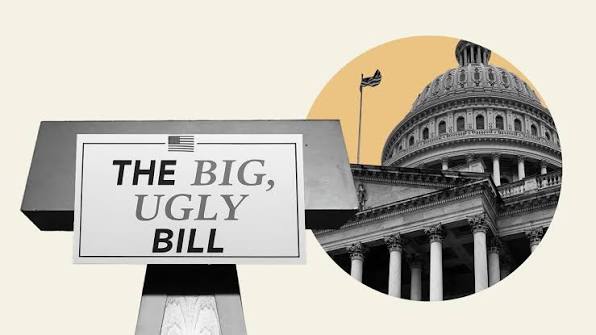
    The One Big Beautiful Bill Act was signed into law on July 4, 2025, with its major provisions placed on separate implementation schedules. Changes to SNAP began taking effect during the period following enactment, bringing new eligibility rules, work requirements, exemptions, and administrative changes to households that rely on food assistance. The major Medicaid work-reporting provisions operate on a later schedule, with the new community-engagement requirement beginning January 1, 2027, while mandatory cost sharing for adults covered through the Affordable Care Act expansion comes later. The calendar creates a political buffer around the most consequential Medicaid changes, leaving the 2026 midterm elections ahead of the point when millions of recipients will face the new reporting system and cuts.

    That separation creates a question for Appalachia that reaches beyond congressional arguments over spending. Will elected officials who supported the law benefit from having the largest Medicaid changes arrive after the midterms, or will the reductions already reaching SNAP households create enough economic frustration to break through the loyalty that has protected many rural incumbents for years? The answer could depend upon whether voters experience the law as another distant Washington policy or as something that reaches directly into the grocery budget, the doctor’s office, the pharmacy, and the survival of a local hospital.

    Appalachia contains many of the rural communities most dependent upon the programs being changed. The region includes large portions of West Virginia, Kentucky, Virginia, Tennessee, North Carolina, Ohio, Pennsylvania, Georgia, and South Carolina, along with other communities where poverty remains concentrated in rural counties. SNAP participation has historically been higher across Appalachia than across the nation as a whole, with Central Appalachia carrying some of the highest rates. Medicaid also reaches deeply into these communities, providing coverage to children, adults, people with disabilities, older residents, and working families whose employers provide little or no affordable insurance.

    At the same time, much of this region sends Republicans to Congress by overwhelming margins. West Virginia provides one of the clearest examples, with Republican candidates regularly winning statewide and congressional races while Medicaid serves a substantial portion of the state’s population. Eastern Kentucky, southwest Virginia, Appalachian Tennessee, Appalachian Ohio, and western North Carolina contain similar combinations of Republican political loyalty and heavy reliance upon federal assistance. The lawmakers voting to restructure these programs therefore represent many of the very households that depend upon them.

    That contradiction creates an economic vulnerability that receives far less attention than the partisan numbers. A congressional district can remain deeply conservative while containing thousands of families who depend upon SNAP to buy groceries or Medicaid to see a doctor. A voter can support a Republican candidate because of views on guns, abortion, immigration, taxes, religion, or distrust of Washington while also worrying about losing food assistance or healthcare. Party identity can remain strong until federal policy reaches something a family needs every month.

    Rural polling has shown that Medicaid retains substantial support among voters across party lines. Rural Republicans have expressed strong support for maintaining Medicaid even while many also support stricter requirements for recipients. That distinction exposes a gap between support for a principle and support for the consequences of implementing it. A voter may believe people who can work should work while also believing that a neighbor with a low-wage job, inconsistent hours, transportation problems, or caregiving responsibilities should retain healthcare coverage.

    The political defense of the OBBBA relies heavily upon that distinction. Supporters can describe the Medicaid provisions through the language of work, responsibility, fraud prevention, accountability, and taxpayer protection. The word “cuts” can disappear from the campaign conversation entirely. Instead, voters hear about protecting taxpayers, removing waste, requiring able-bodied adults to contribute, and making sure government benefits reach people who truly qualify.

    Those voices carry considerable force in Appalachian communities where pride in work runs deep. Generations of miners, factory workers, construction workers, farmers, mechanics, truck drivers, nurses, service workers, and other laborers have built their lives around the idea that a person should earn what he or she can. A politician who presents Medicaid requirements as a defense of work can appeal to that value while moving attention away from the number of people who could lose coverage.

    The strategy can divide low-income voters against one another. Someone who works forty hours a week may look at another recipient and wonder why the government should provide assistance to a person who appears capable of working. Someone raising children, caring for an aging parent, working an unstable schedule, or living with a chronic disability may see the same policy very differently. The debate then becomes a question of who deserves assistance instead of a discussion of how a complicated federal eligibility system will operate in rural communities.

    Culture-war politics can push the economic issue even farther into the background. National arguments over immigration, abortion, guns, crime, government spending, and presidential politics provide ready-made subjects for campaign speeches. They require far less explanation than the details of Medicaid eligibility, SNAP administration, hospital reimbursement, or monthly reporting requirements. A candidate can return home and discuss Washington’s latest political battle while the legislation affecting the local Medicaid population receives a fraction of the attention.

    Appalachia also faces a longstanding problem with voter participation. Some of the poorest counties in the region have historically recorded very low turnout, particularly in communities that experienced decades of industrial decline. Coalfield counties across Kentucky, West Virginia, Virginia, and Ohio have faced mine closures, population loss, declining employment, reduced tax bases, and the departure of younger residents. Those changes weakened many of the institutions that once gave small communities a strong civic center.

    Political withdrawal can grow out of that experience. When residents spend decades hearing promises about economic renewal while watching businesses close and young people leave, another election can feel disconnected from daily survival. The thought that one party will replace another in Washington may carry little appeal to someone struggling to buy food, maintain transportation, or reach a medical appointment. A belief can take hold that the names on the ballot change while the problems in the community remain.

    That history could make the OBBBA politically significant in a way that campaign issues rarely become. Hunger reaches people physically. Healthcare loss creates an immediate threat to a person’s ability to see a doctor or obtain medication. A family facing a smaller grocery budget has a direct reason to pay attention to the people who voted for the legislation that changed the rules.

    The question becomes whether economic pain can overcome political resignation. A person who rarely votes may decide that an election deserves attention when the issue involves food for the household. A Medicaid recipient who has always stayed away from politics may become more engaged when coverage depends upon a new set of requirements. A family member caring for an older relative may begin paying attention when the local hospital warns about financial pressure caused by declining Medicaid revenue.

    The coming Medicaid work-reporting system will put that possibility to a serious test. Beginning January 1, 2027, affected adults generally will have to demonstrate 80 hours each month through employment, community service, a qualifying work program, or education. States will have to establish systems for verifying compliance and will have to notify people when their records fail to establish that they have met the requirements or qualify for an exemption.

    The rule sounds straightforward when reduced to a single number. Rural Appalachia makes that number far more complicated. A person living in a remote mountain community can face long drives to work, limited broadband access, little public transportation, irregular employment, and county offices located many miles from home. Someone can satisfy the work requirement and still struggle to prove it through an administrative system.

    The problem becomes even greater when several pieces of documentation have to come together. An employee working multiple jobs may need information from more than one employer. A seasonal worker may have changing hours throughout the year. Someone seeking an exemption may need documentation establishing eligibility for that exemption. A person with limited internet access may struggle to complete online reporting. A missed notice can create another problem when the household depends upon mail service across long distances.

    The danger lies in the gap between doing what the law requires and proving that the requirement has been satisfied. A person can work while paperwork remains incomplete. A person can qualify for an exemption while failing to provide the required documentation. A person can receive a notice and misunderstand what action the state requires. Each failure can move a household closer to losing Medicaid coverage even when the underlying circumstances have changed very little.

    Rural hospitals could feel the consequences alongside their patients. Hospitals in small Appalachian communities already operate with thin financial margins, limited staffing, declining populations, and difficulty recruiting physicians and other healthcare workers. Medicaid provides an important source of revenue for many of these institutions because rural communities contain large numbers of low-income residents. When people lose coverage, hospitals can face more unpaid care at the same time that they confront higher operating costs.

    A patient who loses Medicaid may delay a doctor’s appointment because paying cash for medical care is impossible. A manageable condition can become an emergency. The patient eventually reaches the hospital with a more serious illness, and the hospital receives less reimbursement for the care. Multiply that process across a rural population and the financial consequences can extend beyond individual households into the survival of the hospital itself.

    The federal government has also set aside substantial money for rural healthcare transformation, creating another layer to the story. Rural hospitals can receive new federal resources while facing lower Medicaid revenue from patients who lose coverage. Whether the additional funding offsets those losses will depend upon state decisions, hospital finances, enrollment changes, and how the money reaches local healthcare systems. Appalachia could therefore see federal healthcare dollars moving in two directions at once, with one set of policies providing new resources while another reduces coverage for some residents.

    For Republican incumbents, the danger lies in assuming that a safe seat can absorb every economic consequence. A three-to-five-percent change among people receiving safety-net assistance could represent thousands of votes in a rural congressional district. Such a shift offers no guarantee of an election result because turnout, candidates, campaign organization, local issues, and long-established party loyalty all influence voting. The arithmetic still deserves attention because a small change among a large population can matter in a district where the final margin remains relatively narrow.

    For the opposition, expecting economic hardship to produce an automatic voter revolt would be equally misguided. Appalachia has demonstrated for generations that economic frustration and Republican voting can exist side by side. A person can resent a federal policy while continuing to vote for the same party. A family can worry about Medicaid while remaining focused on national cultural issues. A resident can complain about government every day and still stay home on Election Day.

    Economic frustration has to become political information before it can become political participation.

    That requires connecting the OBBBA to specific communities and specific elected officials. Voters need clear explanations of what changed in SNAP, when those changes take effect, what will happen to Medicaid recipients beginning in 2027, and how local hospitals could experience the consequences. National campaign advertisements can raise awareness, yet the strongest connection may come from conversations between neighbors who can explain what the law means in the county where they live.

    That kind of organizing requires people in the communities rather than relying entirely upon television advertising or national political speeches. Door-to-door conversations, local radio, county meetings, food banks, clinics, community organizations, and other trusted institutions can give residents a clearer picture of how federal policy reaches their daily lives. The central question becomes simple enough for anyone to understand: Which elected officials voted for these changes, and what will those changes mean for people living here?

    The answer may determine whether the OBBBA remains another Washington policy absorbed into the existing partisan divide or becomes a local economic issue that crosses party lines.

    The staggered implementation schedule gives Republican incumbents a period in which the largest Medicaid consequences remain ahead. SNAP changes, however, bring the federal policy into households sooner. Families have time to experience those changes before the Medicaid requirements begin. They also have time to connect those experiences with the congressional votes that created the new rules.

    That creates an uncertain political landscape across Appalachia. The people who have spent years believing that elections change little may eventually decide that food assistance and healthcare are too important to leave to someone else. The people who have remained loyal to one political party may decide that economic survival deserves a place alongside every cultural issue that has shaped their voting habits.

    For lawmakers who supported the OBBBA, the central risk comes from treating rural political loyalty as permanent. For their opponents, the central risk comes from treating hardship as an automatic source of votes. Appalachia has repeatedly shown that neither assumption holds every time. People make political decisions through a mixture of economic needs, personal beliefs, family concerns, cultural identity, local relationships, and trust.

    The One Big Beautiful Bill will test that mixture in a deeply personal way. SNAP reaches the grocery cart. Medicaid reaches the doctor’s office. Administrative requirements reach the mailbox and computer. Hospital finances reach the community itself. When those pieces begin touching daily life, the political distance between a congressional vote and an Appalachian household becomes much smaller.

    The midterms will arrive before the largest Medicaid work-reporting requirements begin, giving incumbents an opportunity to campaign before many of the healthcare consequences become visible. The people affected by the legislation, however, will enter Election Day carrying whatever experience the SNAP changes have already created. They will know whether their food budget has tightened, whether their household has faced new eligibility questions, and whether the promises surrounding the legislation resemble the reality they have encountered.

    That may become the first crack in a political assumption that has survived for decades. Appalachia has often been described through its loyalty, its hardship, and its political habits. The OBBBA introduces a more immediate question about what happens when federal policy reaches directly into the means by which people eat, receive medical care, and keep rural hospitals alive.

    If economic survival becomes more important than political habit for even a small portion of Appalachian voters, the consequences could reach well beyond the households receiving SNAP or Medicaid. They could reach the people whose names appear on the ballot, the parties that assumed those votes belonged to them, and the political system that spent decades expecting the mountains to remain predictable. What do you think will happen? Will the mountains actually wake up and go vote? We will see in 41 days from now.

    -Tim Carmichael

  • “Pilliamson” The Small Town Flooded With 20-Million Opioids

    In the coal country of southern West Virginia, a town of about 3,200 people received 20.8 million hydrocodone pills over a stretch of six years. Divided evenly, that works out to roughly 6,500 pills for every resident, including infants, teenagers and retirees. Congressional investigators later described the pattern as pill dumping, and the story has become one of the starkest case studies of how the American opioid epidemic took hold.

    How Williamson Became “Pilliamson”

    Williamson is the seat of Mingo County, a place built by railroads and coal. For generations, miners traded their bodies for steady paychecks, and the work left them with crushed backs, ruined knees and chronic pain. When the coal industry contracted, jobs disappeared while the injuries stayed, and a population already living with pain found itself with fewer options and less money.

    Into that setting came an unusual concentration of clinics and pharmacies. Two pharmacies operated only four blocks apart, and clinics with doctors willing to write prescriptions in bulk drew patients from across the region. Residents began calling their community “Pilliamson,” a bitter joke that captured how visible the trade had become, and the nickname “Pill Billy” circulated for physicians who wrote prescriptions with little scrutiny.

    Hydrocodone moved through the town at a pace that no medical explanation could justify. Drivers, dealers and patients traveled long distances to fill prescriptions, and the pills spread outward through Kentucky, Virginia, Ohio and beyond. A community of a few thousand became a distribution hub for a regional addiction crisis.

    What Investigators Found

    The scale of the shipments became public through a bipartisan investigation by the House Committee on Energy and Commerce. Investigators reviewed records from the largest drug wholesalers, the companies that sit between manufacturers and pharmacies. Under federal law, those distributors carry a duty to monitor orders and to report suspicious ones, since they are positioned to see when a pharmacy orders far more than its community could plausibly use.

    The committee’s findings suggested that duty was honored more in theory than in practice. Orders from a handful of Williamson pharmacies grew to enormous volumes, and the shipments continued year after year. Lawmakers pointed out that a town with fewer than 3,200 residents could never have generated legitimate medical demand for 20.8 million pills, and they pressed the distributors to explain why alarms failed to sound.

    The distributors responded that they followed the rules as they understood them and that responsibility also belonged to prescribers, pharmacists and regulators. That defense collided with a growing body of evidence showing that the companies had sophisticated data on ordering patterns. The dispute over who should have acted, and when, sits at the center of the litigation that followed.

    Victims, Not Only Defendants

    For decades, public discussion of addiction treated people who used opioids as criminals or as people with weak character. The lawsuits reframed that picture. Local governments in West Virginia, along with people in recovery, argued that residents were targeted by a system built to maximize pill volume, one in which manufacturers, distributors and pharmacies all profited while communities absorbed the damage.

    That argument gained traction in courtrooms and in settlement talks. In 2021, the three largest distributors and Johnson & Johnson agreed to a national settlement worth roughly $26 billion, with money directed to states and local governments for treatment and recovery programs. West Virginia communities, among the hardest hit in the country, were central to the litigation that pushed those companies toward the table.

    Advocates say the shift matters beyond the money. When a person in recovery can stand in a courtroom as a plaintiff rather than a defendant, the public story changes from one of personal failure to one of corporate accountability. Many families in Mingo County watched relatives die during those years, and for them the legal recognition carries meaning that no dollar figure can match.

    The Law That Drew Scrutiny

    A separate thread of the story runs through Washington. In 2016, Congress passed the Ensuring Patient Access and Effective Drug Enforcement Act, H.R. 4709, Representative Marsha Blackburn of Tennessee (Running for governor of TN in 2026) introduced and championed the measure with Representative Tom Marino of Pennsylvania, and it had been in the works since 2014.

    The law changed how the Drug Enforcement Administration could freeze suspicious shipments of controlled substances. Under the new standard, the agency had to show that a company’s conduct posed a substantial likelihood of an immediate threat of death or serious harm before issuing an immediate suspension order. Critics, including former DEA officials, argued that the higher bar hampered the agency’s ability to act against major distributors at the height of the crisis.

    Supporters tell a different story. The bill passed Congress by unanimous consent and voice vote, and Justice Department and DEA officials took part in negotiating its final language. Backers argued that the DEA had been too aggressive in ways that threatened supply for patients with legitimate needs, including people with cancer and chronic illness who depend on prescription pain relief. Blackburn has defended her role in the bill along those lines.

    Historians and policy analysts still debate how much the law changed outcomes on the ground. The Williamson shipments took place largely before the 2016 statute, so the law cannot explain them. The stronger criticism concerns what the law did to future enforcement, and that question is harder to answer with certainty.

    The Numbers After 2016

    The year the law took effect, drug overdoses claimed roughly 64,000 American lives, a toll larger than U.S. military deaths in the Vietnam War. Over the following years the total climbed sharply, peaking at more than 107,000 deaths annually in the early 2020s, with opioids responsible for roughly three quarters of those fatalities. Across the broader epidemic, which began in the late 1990s, well over half a million Americans have died.

    Tennessee felt the surge acutely. In 2017, the state recorded 1,776 overdose deaths, a record at the time, and 1,268 of them involved opioids. Some 644 were tied to prescription pain medications such as hydrocodone and oxycodone. By 2022, the state counted 3,826 overdose deaths, of which 3,073 involved opioids.

    Context matters when reading those figures. The deadliest phase of the epidemic was driven heavily by illicit fentanyl rather than prescription pills, and the country was moving from pill diversion toward synthetic drugs at the time the law passed. Public health researchers generally treat the rise in deaths as the product of many forces working together, and pinning it on any single statute would overstate what the evidence shows.

    Why Pilliamson Remains Relevant

    Blackburn is now a candidate for governor of Tennessee, and her record on opioid enforcement has become part of that conversation. Voters in a state that lost thousands of residents to overdoses will weigh the 2016 law alongside her defenders’ arguments about patient access. Those judgments belong to the electorate, and the documented facts give both sides plenty to work with.

    Williamson itself has spent years trying to recover. Treatment programs, community health initiatives and litigation proceeds have brought new resources to the region, and residents who lived through the flood of pills speak openly about what happened. Their testimony, along with the congressional record, has helped transform a local nickname into a national warning.

    The lesson of Pilliamson reaches well past one West Virginia town. When a supply chain rewards volume over caution, and when the agencies meant to police it face political and legal pressure, communities with the fewest defenses pay the highest price. The 6,500 pills per resident figure endures because it captures that failure in a single number that nobody can explain away.

    ***A note on the timeline: the House committee’s 20.8 million figure covers roughly 2007 through 2012, so it spans about six years rather than a full decade. I used the accurate span so the article holds up to fact-checking.***

    -Tim Carmichael

  • Why Appalachian Families Used to Sit Up With Their Dead

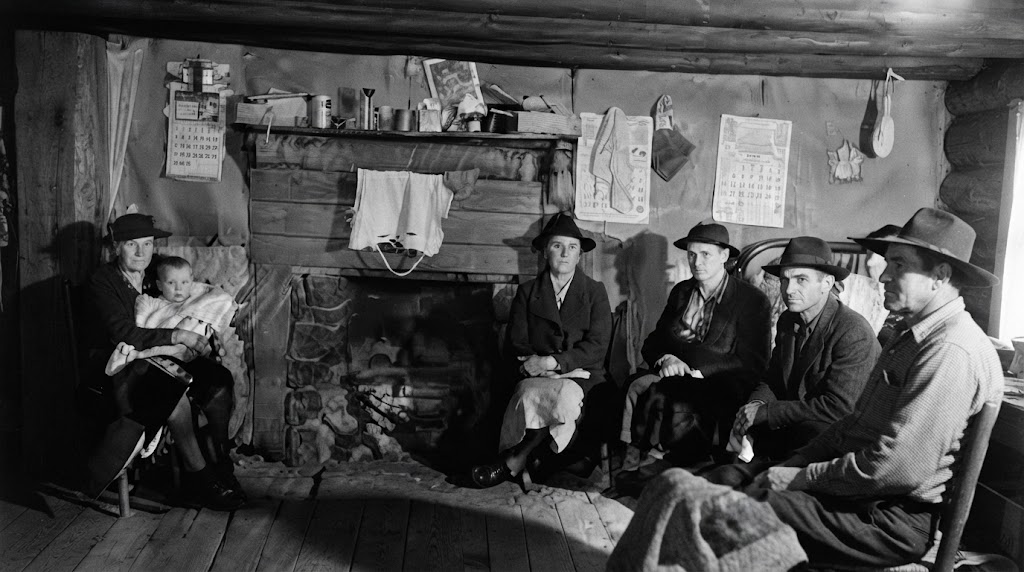
    Before funeral homes became common in the mountains, families brought their dead home, kept watch through the night, and fed the people who came through the door.

    I grew up in the rural mountains of Western North Carolina, and some of my earliest memories of death happened inside family homes. In the 1970s, both of my grandfathers were brought home after they died, and I remember where they were placed and how the houses changed when somebody in the family died. Those memories are part of why the old Appalachian custom of sitting up with the dead has always felt like something real to me rather than something I read about in a history book.

    My mother’s father was brought to my Granny and Papaw’s house and set up in their living room. Family members gathered around him there, and people came through the house to pay their respects. My father’s father was taken to my uncle’s house and set up at the bottom of the stairs, where I could see him from the bedroom doorway lying in his coffin beneath a rose-colored glow.

    My mother’s father had his funeral on the front porch of my Granny and Papaw’s house. I remember the yard being full of neighbors and friends, and I remember the food people brought to the house for everyone who came. Those details have stayed clear in my memory because a funeral in those days could involve an entire community, with people bringing what they had and helping the family get through those difficult days.

    What “Sitting Up” Meant

    In older Appalachian communities, sitting up with the dead meant staying with the body before burial. Family members and neighbors took turns keeping watch, sometimes through the entire night, while relatives gathered in the house. The practice developed from practical needs surrounding death, yet it also carried older spiritual beliefs and a strong sense of responsibility toward family and neighbors.

    Before modern funeral homes became common, families often cared for their dead at home. The body could be washed, dressed, and laid out for people to see, while relatives made arrangements for the funeral and burial. In warm weather, families had to move quickly because there were fewer ways to preserve a body, and somebody needed to remain nearby until burial.

    James K. Crissman documented Appalachian death customs in his 1994 book Death and Dying in Central Appalachia: Changing Attitudes and Practices. His research included more than 400 Appalachian residents from Kentucky, Tennessee, Virginia, West Virginia, and North Carolina, giving him firsthand accounts of how families handled death and how those practices changed over time.

    The custom of sitting up also gave people time to make certain arrangements before the burial. Relatives might live several miles away, and word of a death could take time to reach them. People came when they could, and the family kept the deceased at home while everyone gathered.

    The Dead Were Prepared at Home

    Preparing someone for burial could become a family responsibility. Older accounts describe families washing the body, dressing the deceased, arranging the body for viewing, and preparing the room where family and neighbors would gather. In some communities, a cooling board was used to keep the body as cool as possible before burial, while other families used household furniture or a wooden door as a place to lay out the deceased.

    There were also practical concerns that modern families rarely have to consider. Before refrigeration and widespread embalming, warm temperatures could make the time between death and burial difficult. Families sometimes used ice when it was available, kept rooms cool, and watched over the deceased until the funeral.

    That watch was one reason people sat up through the night. Someone remained nearby because the body required attention, relatives were coming and going, and the family wanted somebody present at all times. The death watch also reflected older fears about premature burial, which were common in earlier generations when doctors had fewer reliable methods for determining death.

    Neighbors Brought Food

    Food was one of the clearest ways neighbors helped a grieving family. When someone died, people came through the door carrying whatever they could contribute, including ham, biscuits, pies, cakes, fried chicken, preserves, casseroles, and other dishes that could feed a crowd.

    A family dealing with a death had plenty to handle, so neighbors took care of practical needs. Someone might bring food while another person helped clean the house, another helped with children, and others worked on arrangements for the funeral or burial. The support could continue for days because Appalachian communities understood that a death affected the entire household.

    I remember that from my own family. When my mother’s father died, his funeral was held on the front porch of my Granny and Papaw’s house, and the yard filled with neighbors and friends who came to see him and support our family. I remember the food people brought to the house, and I remember how many people gathered there because his death had become something the whole community shared with us.

    People Stayed Through the Night

    Sitting up with the dead was not always a solemn gathering from beginning to end. People grieved, prayed, talked, remembered the person who had died, and sometimes laughed while telling stories about things that had happened years earlier. A person could be mourned deeply while family members still found themselves smiling at some memory that belonged to that person’s life.

    Children were part of these gatherings too. They heard adults talking about the deceased, watched relatives come and go, and learned what happened when somebody in the family died. Death was something they saw up close rather than something kept away from them.

    That is one reason my own memories are so vivid. I was young when both of my grandfathers died, yet I saw them after death and understood that they had become part of a family gathering centered around their passing. One was in my Granny and Papaw’s living room, and the other was at my uncle’s house at the bottom of the stairs.

    The Old Beliefs

    Appalachian death customs also carried many beliefs about what happened after a person died. Some families covered mirrors because they believed a spirit could become trapped in a reflection, while others believed a mirror could bring another death into the household. These beliefs varied from family to family, and people followed them with different degrees of seriousness.

    Stopping a clock at the time of death was another custom found in older American funeral traditions. Some families believed the clock should be stopped because the person’s life had ended at that moment, while others simply followed the practice because their parents and grandparents had done the same.

    There was also a belief about carrying a coffin out of the house feet first. According to the old belief, the deceased should leave the house facing outward so the dead person could not look back toward the family, catch someone’s eye, or beckon another person to follow.

    These customs were mixed together with Christian beliefs, older folk traditions, and practical habits that had developed over generations. Different Appalachian families had different rules, and what one family considered necessary could seem strange to another.

    The Community Was Part of the Funeral

    An Appalachian funeral could involve far more people than the immediate family. Neighbors came to the house, relatives traveled in, food was prepared, graves were dug, children were cared for, and people found ways to help the family carry the responsibilities that came with a death.

    That kind of help mattered because families often depended heavily on one another. A person who helped dig somebody else’s grave might need help from those same neighbors years later. Someone who carried food into a grieving family’s house could eventually find those same neighbors standing in their own doorway after a death.

    The relationship worked both ways. Helping was part of being a neighbor, and people understood that the day could come when they would need that same help themselves.

    Bringing the Dead Home Did Not Completely Disappear

    Funeral homes eventually became the usual place for visitations and services across much of Appalachia. Embalming, refrigeration, professional funeral directors, and changing laws all altered the way families handled death, and the old home wake became far less common than it once had been.

    Still, the practice never completely disappeared. Some rural Appalachian families continue to bring loved ones home or hold home vigils, giving relatives time to gather around the deceased before the funeral and burial. Home funerals and family-led death care also continue in other rural communities, where families choose to keep some of the responsibility for death within the household.

    For people who grew up with funeral homes, the idea of bringing someone home can seem unusual. For people who remember older Appalachian customs, it can feel like something that never completely left.

    I remember my mother’s father in my Granny and Papaw’s living room, and I remember his funeral on their front porch with the yard full of neighbors and friends. I remember the food people brought to the house, because feeding people was part of helping a grieving family. I remember my father’s father at my uncle’s house at the bottom of the stairs, where I could see him from the bedroom doorway in his coffin beneath that rose-colored glow.

    Those memories belong to my childhood in Western North Carolina, but they also belong to a much larger Appalachian story. Families cared for their dead at home, neighbors came through the door, food appeared, people sat through the night, and the community helped carry a family through one of the hardest times it would ever face.

    Sitting up with the dead was never about staying awake beside a coffin. It was about making sure the person who had died remained among family until burial and they were never alone, while the living gathered around one another and did what needed to be done.

    For many Appalachian families, that meant opening the house to neighbors, relatives, stories, prayers, food, and grief. In some rural mountain communities, families still choose to bring their loved one’s home, proving that an old Appalachian way of saying goodbye has not disappeared completely.

    -Tim Carmichael

  • What $25 Million in Blocked National Park Funding Means for Appalachia

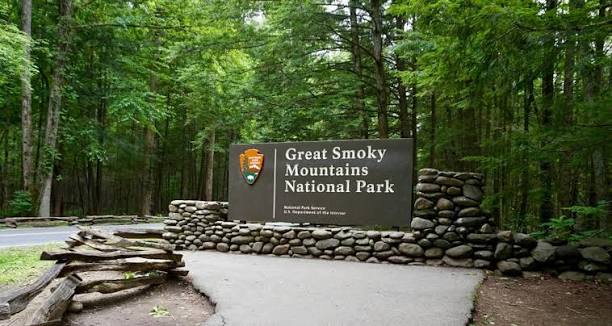
    National parks across Appalachia give millions of people a place to drive, hike, explore, and experience these mountains firsthand. The Blue Ridge Parkway carries travelers through miles of mountain scenery, Great Smoky Mountains National Park draws visitors into forests and valleys, and New River Gorge brings people to trails, bridges, and historic places. Keeping these parks open, safe, and cared for requires constant work, funding, skilled workers, and time.

    More than 130 planned projects at national parks across the country have been blocked by the Trump administration, putting more than $25 million in funding on hold, according to internal documents reviewed by The Washington Post. The projects cover wildfire preparation, habitat restoration, historic preservation, visitor infrastructure, and other work. The funding comes from congressional appropriations and existing federal programs, with agreements requiring approval from the Department of the Interior before the money can be released.

    The Interior Department says the agreements were rejected because the organizations involved were working against the administration’s priorities. The Washington Post reported that many National Park Service projects rely on outside organizations for specialized expertise and additional workers rather than adding federal employees. These partnerships can provide skills and labor for projects parks need to complete.

    Appalachia Already Has a Huge Maintenance Burden

    The National Park Service ended fiscal year 2025 with an estimated $24 billion in deferred maintenance and repair needs throughout the national park system. The backlog covers roads, buildings, utility systems, bridges, trails, and other infrastructure. Park officials have to manage existing problems while new repairs become necessary.

    The Blue Ridge Parkway offers one of the clearest examples. The Parkway stretches 469 miles through Virginia and North Carolina, and the National Park Service has reported roughly $462 million in deferred maintenance costs, with about 90 percent associated with paved roads. Transportation funding supports paving, bridge repairs, tunnel work, and other needs.

    Those numbers become real when visitors encounter a closed road or a bridge surrounded by construction equipment. Maintaining a mountain road requires drainage work, slope stabilization, pavement repairs, bridge work, guardrails, and attention to damage from weather. A delay can leave crews dealing with a larger problem later.

    Western North Carolina adds another major challenge after Hurricane Helene. The storm caused at least 57 landslides across nearly 200 miles of the Parkway in North Carolina. The National Park Service has been carrying out a multiyear recovery effort involving roadway repairs, slope stabilization, and restoration of access, with portions of the Parkway still affected by recovery work during 2026.

    That recovery requires money, equipment, engineers, contractors, and time. When another project gets delayed, pressure grows on a system already carrying a heavy workload.

    New River Gorge Shows What Funding Accomplishes

    New River Gorge National Park and Preserve in West Virginia provides another concrete example. In September 2026, the National Park Service began an approximately $11.8 million rehabilitation of the historic Rend Trail and its bridges. The project uses funding from the Great American Outdoors Act’s Legacy Restoration Fund and includes repairs to five historic railroad trestles, rehabilitation of the trail surface, a new parking area, a restroom, and accessibility improvements.

    This is what park funding looks like on the ground. Money can mean a historic bridge receives structural repairs, a trail becomes available again, and visitors with disabilities gain better access. It can also mean a historic landscape receives the care required to remain part of the park for future visitors.

    Great Smoky Mountains National Park faces the same basic reality, although current reporting about the $25 million in blocked agreements has yet to establish that a specific Smokies project was among those rejected. The available evidence supports a broader concern about project approvals and funding rather than a claim that the administration canceled a particular Smokies project.

    The Smokies contain hundreds of miles of roads and trails, historic buildings, bridges, campgrounds, water systems, and other facilities requiring regular maintenance. Millions of visitors use the park, while heavy rain, flooding, erosion, fallen trees, winter weather, and age add pressure to the infrastructure.

    Park Work Goes Far Beyond Roads

    The projects affected by the current funding dispute demonstrate why the word maintenance can be misleading. National park work involves far more than pavement and buildings.

    At Joshua Tree National Park, the blocked projects reportedly included wildfire preparation, burned-area restoration, and removal of rodents carrying hantavirus from historic buildings. Internal documents warned that losing the wildfire work could make fires larger and suppression more expensive. Other blocked projects involved prehistoric Native American mounds, endangered species, and specialized care at Denali National Park and Preserve.

    Those examples matter to Appalachian parks because they show how partnerships support specialized conservation work. National parks may need biologists, archaeologists, engineers, historic preservation specialists, trail crews, and other workers for projects requiring particular expertise.

    Delays Eventually Reach Visitors

    The larger issue for Appalachia comes down to timing. Mountain parks have a constant stream of maintenance needs, and those needs continue whether a particular project moves forward this year or waits for another budget cycle.

    A damaged trail can erode farther. A failing drainage system can send water across a road. A bridge can require increasingly expensive repairs as deterioration continues. A historic structure can need greater stabilization when routine preservation work gets delayed.

    Deferred maintenance also affects visitors directly. A road closure can change an entire trip, while a closed trail can remove access to a place someone drove hundreds of miles to see. A closed historic building can keep visitors from experiencing part of the region’s history, and construction can reduce available facilities during busy seasons.

    The evidence currently available cannot support saying that the $25 million in blocked projects will close the Blue Ridge Parkway, shut down Great Smoky Mountains National Park, or cancel a specific Appalachian project. Those claims would go beyond the documented facts. What the evidence does show is a national park system already carrying a massive maintenance burden while more than 130 planned projects have been placed on hold.

    That matters in Appalachia because the region already has major documented needs. The Blue Ridge Parkway has hundreds of millions of dollars in deferred maintenance. Hurricane Helene created extensive damage across the Parkway in western North Carolina. New River Gorge has major infrastructure projects requiring millions of dollars. Great Smoky Mountains and other Appalachian parks require continuing maintenance, conservation, and preservation work.

    When planned work loses access to expected funding or approval, the work can be delayed. Delayed work adds pressure to a maintenance schedule that already stretches years into the future, and some repairs can become more complicated or expensive as deterioration continues.

    For people who love these mountains, the consequences may appear slowly rather than through one dramatic announcement. A bridge waits for repair while another project moves ahead. A trail remains closed while crews work through a backlog. A historic building waits for stabilization. A road project moves farther into the future.

    The national parks of Appalachia depend on continued investment to remain accessible and protected. The mountains may look permanent from a Parkway overlook, yet the roads beneath our tires, bridges across the creeks, trails beneath our boots, and historic places along the way all depend on people having the resources to care for them.

    The mountains give us the beauty. Keeping those places available for future visitors requires the work behind the view.

    -Tim Carmichael

  • A Harder Road for Farmers in Appalachia

    A federal grant program meant to help farmers gain access to land, equipment and markets was cut in the spring. A court ruling has restored some of the money, yet many Appalachian farmers are still waiting to see what comes next.

    Farming in Appalachia has never been an easy way to make a living.

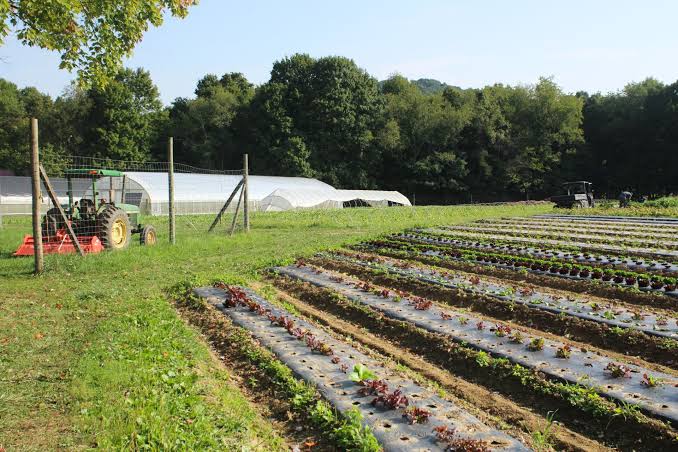
    The mountains leave farmers with smaller pieces of workable ground. Land prices have risen. Equipment costs more than many small operations can afford. Finding a place to sell what a farm produces can be as difficult as growing it in the first place.

    For beginning farmers, getting started can feel even harder.

    That is where the federal Increasing Land, Capital, and Market Access Program was supposed to help. The U.S. Department of Agriculture created the program to help farmers and other producers who face barriers to land, financing, markets and technical assistance. The program included support for beginning farmers, veterans, limited-resource producers and people living in high-poverty areas.

    For communities across Appalachia, programs like that can reach far beyond the farm itself.

    A farmer who gains access to land can produce food for nearby communities. A farmer who gets help purchasing equipment can expand production. A small farm with a dependable market can keep money circulating in a rural community where there may be few other sources of income.

    Those connections are especially important in parts of Appalachia where family farms have survived through generations of economic change.

    The USDA selected 50 projects for the program, with roughly $300 million in funding. The projects were designed to help producers overcome some of the barriers that keep people from owning land or building viable agricultural businesses.

    Then the money began disappearing.

    In March, USDA terminated 49 of the 50 projects. Letters sent to grant recipients cited what the agency described as discriminatory preferences connected to diversity, equity and inclusion, along with concerns about wasteful spending.

    The decision reached into West Virginia, where West Virginia University was administering an $8.5 million, five-year agreement through its Nourish West Virginia initiative. The project had been working toward a statewide network connecting farmers, food producers and health care providers.

    The idea was straightforward. More local farmers producing healthy food could mean more local food reaching people who need it.

    For Appalachia, that connection carries particular weight.

    Many mountain communities have limited access to grocery stores, while small farms often struggle to find enough customers to keep their operations going. A farmer may have good soil, a good crop and years of experience and still lack the money, equipment or market needed to turn that work into a sustainable business.

    That is the part of the debate that can get lost when federal programs are reduced to numbers on a budget sheet.

    A grant can mean a processing machine sitting in a farm building instead of an order being turned away. It can mean training for somebody trying to start a farm for the first time. It can mean help dealing with land that has been divided among heirs for decades. It can mean a producer finally reaching a market that was previously out of reach.

    These are small pieces of infrastructure, yet rural communities depend on them.

    The cancellation also came during the growing season, when farmers already had plans in motion.

    Some had been preparing to expand. Others had been working with partners, customers and community organizations based on funding they had been told was coming.

    Changing course after those plans are underway can leave a farm or agricultural organization with more than a financial problem. It can leave people wondering whether they can make commitments to their communities when federal support can disappear halfway through the process.

    There was a legal challenge.

    Organizations whose grants had been terminated went to federal court, arguing that USDA had acted unlawfully. In late June, U.S. District Judge Beryl Howell ordered the restoration of grants held by 24 organizations and local governments. The order covered $127 million and found that the plaintiffs had shown the terminations were likely contrary to law while the case continues.

    The ruling gave some farmers and agricultural organizations a reason to breathe again.

    It did not settle everything.

    West Virginia University was among the organizations whose grant had been terminated, yet its $8.5 million award was not among the grants restored by the June order. West Virginia Public Broadcasting reported that the ruling could still provide a path toward restoration.

    That uncertainty leaves farmers in Appalachia facing a familiar problem.

    They have work to do while waiting on decisions made far away.

    The growing season keeps moving. Animals still need to be fed. Crops still need to be planted and harvested. Customers still need food. Bills still arrive.

    A small farm cannot put all of that on hold while Washington decides what rural agriculture should look like.

    Appalachian farmers have always had to make do with what they have. That resourcefulness has kept farms going through floods, droughts, changing markets, rising costs and generations of economic hardship.

    Still, making do has limits.

    If Appalachia wants more young people to farm, they need a way to get onto the land. If small farms are expected to feed their communities, they need ways to reach customers. If rural communities want to keep their money closer to home, they need local businesses and farms that can survive.

    Federal programs are only one part of that picture.

    They can, however, make the difference between somebody having a chance to start and somebody deciding the mountain is too steep to climb.

    For farmers across Appalachia, the question now is what happens next.

    Some funding has been restored by the courts. Other projects remain in limbo. The legal fight continues, and the farmers who depend on these programs are still trying to plan for another season.

    They will keep planting.

    They always have.

    The harder question is whether the support meant to help Appalachian agriculture grow will still be there when those farmers are ready to harvest what they planted. I will leave you with one question to think about. Why do these same farmers keep voting against their own interests? Not all of them but most of them.

    -Tim Carmichael

  • Put Some Gravy on That Squirrel

    How Appalachian food went from necessity to something a fancy restaurant might charge you to discover

    Some of the foods that tell you the most about where you come from are the ones you never thought twice about eating. For me, squirrel gravy belongs near the top of that list. I grew up in western North Carolina eating squirrel at home, and the meal carried none of the novelty it might have for somebody seeing it on a menu today. It was supper, plain and simple, served with biscuits, pinto beans, fried potatoes, and whatever else could stretch across the table.

    The funny thing about squirrel is that most people already have an opinion about it before they ever taste it. They have watched squirrels scamper through yards and parks, seen them in cartoons, or watched children stop to admire one sitting high in a tree. I grew up seeing the same animals in the woods around our home, yet I also knew that one could end up in a skillet. Those two facts lived comfortably together for me.

    Squirrel hunting was part of the rhythm of life where I grew up. A man could head into the woods early in the day and return with several squirrels tucked away for supper. Once the hunting was finished, there was work to do before the cooking began. The squirrels had to be cleaned, prepared, and divided into pieces that would fit nicely into the skillet.

    The cooking itself was simple, though good squirrel gravy depended on knowing what you were doing. The meat browned in hot grease until the outside developed a deep color and the inside stayed tender. After the squirrel came out, the drippings remained in the skillet, ready for flour and liquid. The gravy came together with a little stirring and a cook who knew when it looked right.

    That last part was important because the cooks I grew up around rarely followed written recipes for food like this. They cooked by sight, taste, and experience. A little flour went into the skillet, followed by enough broth or water to bring the gravy together. If it needed salt, salt went in. If it needed more stirring, the spoon kept moving until the gravy was ready for the biscuits.

    I learned plenty of cooking that way. I watched people who had made the same dishes many times, and I paid attention to what happened in the skillet. Measurements were often little more than estimates. A good cook could look at a pan and know what it needed, which is a skill that can be harder to learn from a recipe than from standing nearby while somebody cooks supper.

    Squirrel also had one advantage when it came to feeding a family. It could make a small amount of meat go a long way. There were plenty of bones, and each piece offered less meat than a piece of chicken, yet squirrel gravy surrounded by biscuits, beans, and potatoes made a full meal. You took your time with the meat and let the rest of supper do its part.

    I remember doing exactly that as a boy. I would work my way through the squirrel while the grown-ups talked around the table. Somebody reached for another biscuit. Somebody spooned more gravy onto a plate. The conversation continued while everybody ate, and I paid attention to my plate.

    Those meals are still among the clearest food memories I have.

    I also remember the first time I understood that squirrel could sound strange to people who grew up somewhere else. Mention it in the wrong company and the conversation tends to stop for a moment. People want to make certain you are talking about the animal they have seen running through a park, rather than some dish with an unusual Southern name.

    That reaction has always amused me.

    Squirrels have excellent public relations. They are cute enough to become characters in children’s books and cartoons. People put peanuts out for them. Families watch them run through parks. They can spend an entire lifetime being treated as little woodland celebrities.

    Where I grew up, squirrels had another job.

    They could feed you.

    That practical side of Southern cooking is something I appreciate more now than I did when I was young. When money is tight, you learn how to make a little go a long way. A few squirrels could become a supper with biscuits and gravy. Potatoes filled out the plates. Pinto beans gave everybody something else to spoon onto the plate. The whole meal depended on knowing how to make each ingredient count.

    There was also something satisfying about knowing exactly where the meat came from. The story began in the woods, continued at home, and ended around the supper table. There was a straight line from the hunt to the meal, and everybody sitting there understood it.

    As I got older, I started eating in restaurants and encountered a very different approach to food. I’ve had expensive meals with elaborate descriptions and ingredients that would have sounded completely foreign around my family’s table. I’ve eaten dishes prepared by talented chefs and served in places where the presentation received nearly as much attention as the food itself.

    Squirrel gravy still wins when it comes to memory.

    I sometimes imagine what would happen if a chef decided to put it on a modern Southern restaurant menu. The dish would probably receive a name several lines long, something along the lines of Pan-Fried Appalachian Squirrel with Country Gravy and House Biscuits. The description might explain the history of the dish, the cooking method, and the regional tradition behind it.

    The diner would probably read the description twice.

    Then the plate would come out.

    I can picture somebody looking down at that squirrel, taking a bite, and realizing that the strange-sounding dish tastes pretty good. That person might even wonder why squirrel ever seemed so unusual in the first place.

    The price would be the funniest part.

    A restaurant could probably charge forty dollars for a carefully prepared plate of squirrel with gravy and biscuits. The people I grew up around would have found that hilarious. They knew squirrel as something a person could bring home from the woods. The expense came in the time spent hunting, cleaning, and cooking it. The idea of paying forty dollars for something that once became supper after an afternoon hunt would have made a good story around our table.

    I’ve eaten enough restaurant food over the years to understand why people enjoy a beautifully prepared meal. Still, some of the best food memories I have came from meals that looked nothing like something you’d see in a fine dining room. Squirrel gravy belongs firmly in that category.

    The taste is part of the memory, but it is only part of it. I remember the browned meat and the gravy. I remember biscuits beside the plate and the slow work of picking the meat from the bones. More than anything, I remember sitting there while the grown-ups talked and eating my way through supper.

    That is what makes a meal memorable long after the food itself is gone.

    Squirrel also reminds me of a time when cooking was less concerned with measurements and more concerned with knowing your food. The people I watched could take a skillet, a little flour, some drippings, and enough liquid to make gravy that tasted right. They knew how to stretch a meal. They knew how to make something modest feel like plenty.

    That kind of cooking rarely needed a fancy name.

    It needed a hungry family and somebody who knew how to feed them.

    Today, I can understand why squirrel would make somebody hesitate. Most people have grown accustomed to seeing it in parks and yards rather than on a dinner plate. For me, though, that little animal still brings back western North Carolina, Saturday hunting, biscuits, gravy, and a family meal.

    I’ve eaten plenty of dishes since then that would cost far more than squirrel gravy ever did. Some were memorable for the chef. Some were memorable for the setting. Some were memorable because I could never have imagined the ingredients working together.

    Squirrel is memorable for a different reason.

    It takes me straight back home.

    If I ever see squirrel gravy on a restaurant menu, I will order it. I will probably smile when I see the price, too. The chef can give it a polished Southern name and serve it on the nicest plate in the dining room. I will still recognize the meal I grew up eating in western North Carolina.

    Squirrel, gravy, biscuits, and a table full of people.

    That was supper where I came from, and it remains one of the meals I would never expect to see on a restaurant menu.

    -Tim Carmichael

  • Appalachian People Who Voted for Him Are About to Learn What It Costs

    Washington can spend lavishly on presidential grandeur while asking poor Americans to accept cuts to the programs that help them survive.

    In Appalachia and across the country, people understand a hard winter. Especially these days. They understand what it means to watch the temperature drop while an electric meter keeps turning and a monthly check stays the same. For families already living close to the edge, heating a house can become one of the biggest expenses of the season.

    That is why the Trump administration’s proposed elimination of the Low Income Home Energy Assistance Program, or LIHEAP, deserves attention across the mountains. The administration also proposed cutting $646 million from FEMA’s non-disaster programs, which help communities prepare for floods and other disasters before they strike.

    Appalachian Voices has warned that these proposals could hit the region especially hard. Many low-income Appalachian households depend on assistance with utility bills, and older homes often cost more to heat, leaving families with fewer dollars for groceries, medicine and other necessities.

    The arithmetic can become brutal. A family can turn down the thermostat, switch off lights, skip a trip into town and cut every expense it can find, yet the heating bill still has to be paid.

    For an older person living on a fixed income, that can mean choosing between keeping the house warm and buying something else that month. For a working family, it can mean putting groceries on a credit card or delaying a repair that the family already needed.

    People in Appalachia have spent generations learning how to stretch what they have. They repair things, reuse things, grow gardens, preserve food and find ways to make an old house last another year because replacing what breaks often costs more than they can afford.

    There is a limit to that kind of thrift. Once every dollar already has a job, cutting another dollar means taking it from somewhere else.

    The same budget proposal raises another concern for a region where floods can turn a mountain road into a river. Steep slopes, narrow valleys and fast-moving streams can leave communities vulnerable when heavy rain falls across the mountains.

    Hurricane Helene offered a painful demonstration of that reality. Western North Carolina and eastern Tennessee saw homes destroyed, businesses damaged, roads washed away and families left dealing with the aftermath long after the television crews moved on.

    FEMA’s non-disaster programs help communities prepare for events like these. Cutting those resources means local governments could have fewer tools available before the next storm, when preparation can make the difference between manageable damage and a much larger disaster.

    There is an uncomfortable contradiction running through all of this. Washington says the country cannot afford enough help for poor families with heating bills, food and health care, yet the administration continues pursuing expensive projects and highly visible displays of presidential grandeur.

    The list is long. There is the enormous ballroom planned for the White House, the new helicopter pad, the transformation of the Rose Garden, gilded decorations and statues, plans for a triumphal arch, banners carrying Trump’s image on federal buildings, his name placed on government properties and a minted $1 coin bearing his likeness.

    His image has also appeared on passports, while his name and likeness have been incorporated into an expanding collection of government and commemorative projects. Keeping track of every example has become difficult because the list keeps growing.

    The issue here is larger than whether someone likes a ballroom or thinks the White House grounds should be changed. The question is what Washington says it can afford when the people asking for help are poor.

    If there is money for grand construction, gilding, monuments, statues, banners, presidential branding and other projects carrying Trump’s name and image, people struggling to pay for heat have a reasonable question to ask. Why does the government suddenly become careful about spending when the person asking for assistance is trying to keep an apartment or house warm?

    The same question applies to food and health care. Medicaid, Medicare, SNAP and health insurance subsidies affect millions of Americans, and changes to those programs can reach families who already have little financial room.

    Congressional budget estimates have projected substantial reductions in federal Medicaid and SNAP spending under legislation enacted in 2025, along with millions fewer people receiving Medicaid coverage in the years ahead. Those figures represent real households, real medical appointments and real grocery carts rather than distant accounting exercises.

    For someone living in a mountain community, losing assistance can create a chain reaction. A higher medical bill can consume money that had been set aside for groceries, while a higher grocery bill can leave less money for electricity.

    That is where the argument about federal spending becomes personal.

    It also raises a question about priorities. If the government can spend hundreds of millions on a ballroom, find money for elaborate White House renovations and devote resources to monuments and presidential displays, why should a poor family be told there is insufficient money to help keep its home heated?

    The answer cannot simply be that the country has to save money. Someone has to explain why saving money applies so aggressively to programs serving poor families while lavish projects associated with the president continue moving forward.

    That contrast will be especially sharp in Appalachia.

    The region has plenty of people who work hard and still struggle. It has retirees living on fixed incomes, families working hourly jobs, people living in aging houses and communities where one washed-out road can create problems for an entire neighborhood.

    These people are also voters.

    Many Appalachian voters supported Donald Trump. They voted for him because they believed he would stand up for people like them, reduce government waste, strengthen the economy and change a federal government they had grown tired of watching from a distance.

    They had every right to make that choice.

    They also have every right to look at what is happening now and ask whether the government they helped elect is serving their interests.

    A Trump voter can believe in smaller government and still want LIHEAP preserved. A Trump voter can support fiscal restraint and still believe an elderly neighbor should have enough assistance to heat her home during a bitter January.

    Political loyalty cannot pay an electric bill. It cannot replace a washed-out bridge, buy groceries or cover a medical bill.

    That is why this conversation belongs outside the usual partisan shouting. The people facing these decisions live on both sides of the political divide, and many of the people who could feel the cuts are people who voted for the administration proposing them.

    Congress will ultimately decide which budget proposals become law. The president can request cuts, while Congress controls the appropriations process and has the power to change those requests.

    That leaves Appalachian voters with a simple responsibility. They can ask their representatives what they intend to do about LIHEAP, Medicaid, SNAP, Medicare, health care subsidies and FEMA preparedness funding.

    They can ask how communities recovering from Helene are supposed to prepare for another major flood with fewer resources. They can ask how families already struggling with utility bills are supposed to manage if heating assistance disappears.

    Those questions belong to Republicans, Democrats and independents. They belong especially to voters who supported Trump because they believed he would put their interests first.

    There is nothing wrong with changing your mind after an election. There is also nothing wrong with remaining satisfied with your choice.

    What people cannot escape is the result of the choices made by those they put into office.

    Voting has consequences.

    This coming winter, some Appalachian families are about to learn exactly what those consequences mean. They will sit down with heating bills, grocery bills and medical expenses and have to decide where the money will come from.

    Meanwhile, Washington will still have its ballroom. The statues will still stand, the gilding will still shine, the banners will still carry the president’s face, and the $1 coins will still carry his likeness.

    The list of projects and displays is already too long to name in full. The question is whether the people who were told there was too little money for them will look toward Washington and wonder why the money always seems to appear when the project has the president’s name on it.

    They voted for him, and voting has consequences. This winter, some of those voters are about to discover those consequences in the most personal way possible, when they have to choose between keeping the heat on, buying food, paying for medicine and finding enough money to get through another month.

    -Tim Carmichael

  • Trump’s Logging Plan Puts Appalachian Forests at Risk

    Cherokee National Forest Faces a New Fight Over Its Roadless Lands

    The Cherokee National Forest covers some 660,000 acres across East Tennessee, stretching from the Virginia line south toward Georgia and forming one of the largest pieces of public land in the state. Its mountains hold headwater streams, steep coves, hardwood forests and some of the most remote country left in Tennessee.

    Now a federal policy fight has put a large portion of that backcountry at the center of a national debate over logging, roads and wildfire management.

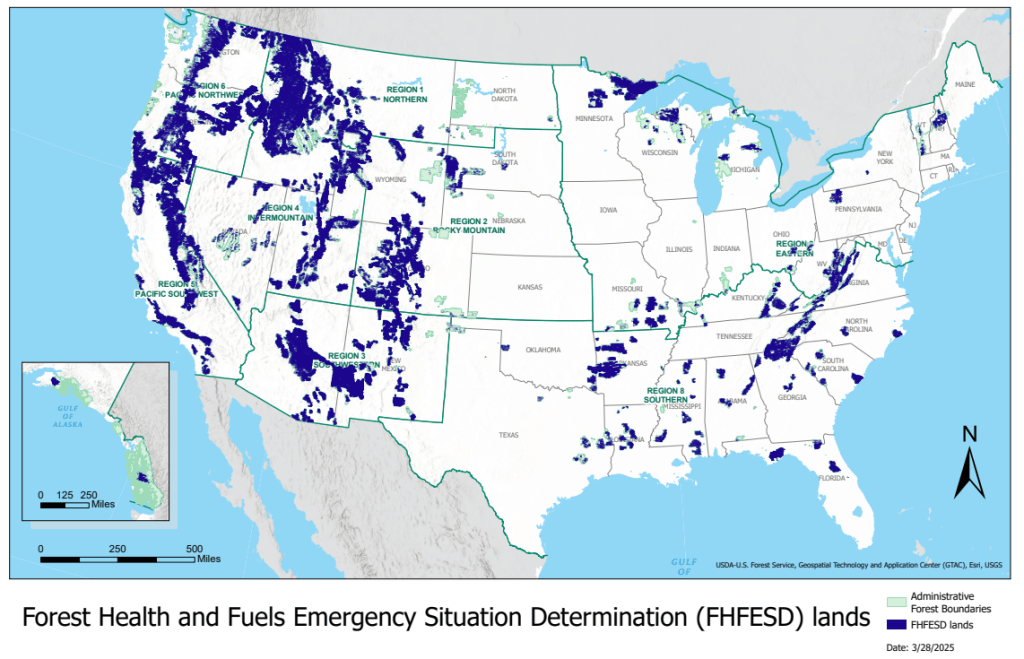
    The Trump administration is proposing to rescind the 2001 Roadless Area Conservation Rule, a federal regulation that restricts road construction and commercial timber harvesting within inventoried roadless areas on national forests. Across Tennessee, roughly 85,000 acres of national forest land fall under those protections, including significant areas within the Cherokee National Forest.

    The proposal does not itself order timber companies into the Cherokee. It would remove the nationwide roadless restrictions and return management decisions to individual national forests through their land-management planning processes. That change could give Forest Service managers greater authority to approve roads and timber projects in areas that have received special protection for more than two decades.

    For people who hike, hunt, fish and camp in the Cherokee, the issue reaches well beyond a federal regulation. It raises a basic question about what kind of forest Tennessee wants to keep for the next generation.

    What the Roadless Rule Protects

    The Roadless Rule was adopted in 2001 after years of debate over some of the most remote portions of the national forest system. The rule established broad restrictions on new road construction, road reconstruction and commercial timber harvesting in inventoried roadless areas.

    Those places were identified for qualities such as relatively undisturbed soil, high plant and animal diversity, clean water, remote recreation and habitat for species that depend on large blocks of forest.

    The Cherokee contains several of these roadless areas, including Beaver Dam Creek, Slide Hollow, Elk Creek, Bald Mountains, Horse Cove and Sycamore Creek. Sycamore Creek alone encompasses nearly 7,000 acres of montane terrain around the headwaters of the Tellico River.

    Roadless land also carries a different meaning from designated wilderness. Congress has separately placed tens of thousands of Cherokee acres into the federal wilderness system, including acreage added through the Tennessee Wilderness Act of 2018. Those congressional wilderness protections remain a separate legal matter from the Roadless Rule.

    That distinction matters because the current proposal concerns the roadless designation. It would not automatically erase every wilderness designation inside the Cherokee.

    Why the Administration Wants the Rule Gone

    Agriculture Secretary Brooke Rollins argues that the Roadless Rule has become an outdated barrier to forest management. The USDA says conditions have changed since 2001, including increased wildfire exposure, insect outbreaks, disease and the expansion of communities along the edges of national forests.

    The department’s August 2026 proposal says rescinding the rule would give local Forest Service officials greater flexibility to respond to those conditions. USDA officials argue that managers closest to the land are better positioned to determine where thinning, timber harvests, road construction and other treatments are appropriate.

    The administration also connects the policy to domestic timber production. Earlier actions in 2025 called for increased timber production on federal lands, while Agriculture Department officials declared an emergency situation covering more than 112 million acres of the National Forest System.

    That emergency designation has become another point of controversy. Conservation organizations say the designation can speed up certain Forest Service projects and reduce some of the time normally available for environmental review and public involvement.

    The administration presents the approach as a way to get work done faster in forests facing serious threats from wildfire, insects and disease.

    The Wildfire Question

    Wildfire sits at the center of the argument.

    USDA says dense stands, insect damage and disease can create conditions that allow fires to burn more intensely. From that perspective, giving forest managers more freedom to thin trees and create access roads could provide another tool for reducing hazards.

    Conservation groups challenge that reasoning, especially when it is applied broadly across forests with very different climates and ecosystems.

    One reason involves the source of many wildfires themselves. Research reviewed by NASA has found that people cause at least 80 percent of wildfires in several eastern forest regions, including the temperate forests of the eastern United States. A 2025 USGS study also found human-caused ignition sources play a major role in wildfire patterns across the country, with important regional differences.

    That creates an awkward question for road construction in remote forest country. Roads can make forest management easier, yet roads also bring vehicles, equipment and more human activity into areas that currently have limited access.

    The wildfire debate therefore cannot be reduced to a simple argument that fewer trees automatically mean fewer fires. Forest type, weather, topography, ignition sources and the location of communities all affect wildfire behavior.

    The Southern Appalachian Mountains also differ considerably from the dry western forests that dominate much of the national wildfire discussion. That difference has led conservation advocates and some scientists to question whether management approaches developed for western fire conditions can be applied broadly to Tennessee.

    What Could Change in Cherokee National Forest

    If the federal proposal becomes final, the Cherokee would gain greater flexibility to consider projects inside areas currently protected by the Roadless Rule.

    That could include commercial timber harvests or road construction where individual projects receive approval through the Forest Service’s land-management process. The proposed rule itself contains an important limitation: rescinding the Roadless Rule does not automatically authorize logging or road building on every formerly protected acre. Individual projects would still require agency decisions and compliance with applicable laws.

    Still, the change would remove a major federal restriction that has shaped management of these lands since 2001.

    For residents around East Tennessee, the consequences could reach beyond hiking trails. Roadless mountain forests protect watersheds and headwater streams, provide habitat for wildlife and support hunting, fishing and tourism. They also preserve places where visitors can travel for miles through forest without encountering industrial roads or timber operations.

    Those values rarely appear on a timber-sale ledger, yet they form part of what public forests provide.

    A Decision Still in Progress

    The administration’s proposal remains a proposal. The USDA published its formal rule in the Federal Register on August 20, 2026, along with a draft environmental impact statement and a request for public comment. The comment period closes September 21, 2026.

    That leaves Tennessee residents with a chance to weigh in before the federal government decides whether to finalize the change.

    The debate over the Cherokee will likely continue long after the September deadline. Timber production, wildfire protection, recreation, water quality and wildlife habitat all fall within the Forest Service’s broad mission. Finding the balance among those uses has been part of the national forest debate for generations.

    What makes the current fight different is the scale of the proposed change. The Roadless Rule has shaped some of America’s most remote public forests for 25 years. Removing that national protection would place far more authority in the hands of individual forest managers.

    For the Cherokee National Forest, that means the future of some of Tennessee’s most remote mountain country could increasingly depend on decisions made one project, one watershed and one road at a time.

    The mountains will remain. The question is what kind of mountains Tennesseans will find when they return to them years from now.

    -Tim Carmichael

  • September Signs in Appalachia

    September comes to Appalachia with a change in the air. The change begins high along the ridges, where the first nights of cold reach the trees before the valleys feel them, and by dawn the hollers hold a thin white fog that drifts above the pastures and settles along the creek bottoms. Summer remains in the gardens and along the roadsides, where goldenrod still crowds the fences and late blackberries darken beneath their leaves, yet something has already shifted in the air. The mornings carry a sharpness that disappears after the sun rises, and anyone who has lived long enough in these mountains learns to feel that change before seeing it. A jacket comes out of a closet, the windows stay closed a little longer, and the first fire of the season becomes something a person thinks about before there is any reason to light it.

    For generations, people across Appalachia watched September because the month seemed to reveal what the coming winter had been preparing in secret. Long before weather radar showed a storm moving across the mountains, people searched the woods and fields for evidence, reading the thickness of an animal’s coat, the shape hidden inside a seed, the height of a hornet nest, and the behavior of smoke rising from a chimney. These signs belonged to a world in which weather could determine whether a household had enough wood, whether livestock survived, whether a road remained passable, and whether a roof carried too much snow. A forecast was never merely something to talk about; it could become the difference between comfort and hardship when January came down hard across the ridges.

    The old predictions begin before September has even opened its door. During August, some Appalachian families watched the morning fog and kept a jar nearby, dropping a dried bean into it whenever fog settled over the fields. Thirty-one August mornings offered thirty-one opportunities to count, and the finished number was believed to give some indication of the winter ahead. Each bean represented a foggy morning, and each morning carried its place in the months to come, with the first beans speaking toward the beginning of winter and those counted later reaching farther into the season. The practice had the simplicity of many mountain customs, requiring little more than a jar, a handful of beans, and the willingness to stand outside before the day had warmed enough to make the question comfortable.

    The bean count belonged to a larger way of paying attention. Nothing in the mountains existed entirely by itself, and weather could be read through things that appeared to have little connection to snow or cold. A rabbit moving farther from cover might mean one thing while a rabbit staying buried deep among the briars might mean another. The thickness of its coat became a subject of inspection as summer weakened, and an early heavy coat was taken as evidence that the animal sensed a difficult winter coming. Such observations carried their own uncertainty, though uncertainty had always been part of mountain knowledge. People watched, remembered, compared one year with another, and kept what seemed useful.

    By September, the woolly bears begin crossing roads and trails with their strange determination, each small body carrying a pattern that has inspired generations of predictions. The caterpillar is handled carefully when someone stops to study it, its black ends and brown middle examined for proportion. A broad brown band has long been taken as a sign of a milder winter, while heavier black bands suggest greater cold. The caterpillar itself offers no explanation, and it cannot know what people hope to discover in its coloring, yet there is something compelling about the sight of one moving through fallen leaves while the mountains around it begin their slow change. It seems to be going somewhere, though the destination remains hidden from anyone who kneels beside the road.

    The persimmon carries a stranger promise. When the seed is split lengthwise, the pale shape inside may resemble a spoon, a fork, or a knife, and each shape has been given its own prediction. The spoon has long been associated with heavy snow, the fork with lighter snowfall, and the knife with a winter whose cold will be severe enough to cut through the mountains. The ritual requires patience because the fruit must first be opened, the seed cleaned, and the pale kernel divided without destroying what lies inside. For a moment, the smallest thing in the world can become a weather map.

    Persimmons have another meaning in September because they arrive when the landscape is beginning to withdraw from summer. Their sweetness comes late, after much of the green world has begun turning toward brown and gold, and their fruit hangs beneath leaves already losing color. To walk beneath them in September is to see the season gathering itself, and the seed becomes one more reminder that the future has already begun forming inside what appears to be an ending.

    The trees offer their own warnings through abundance. Hickories and oaks heavy with nuts early in the month have long been regarded as signs that squirrels are preparing for difficult months ahead. A heavy mast crop may have its own causes understood by science, though the old interpretation remains powerful because it places the observer inside a relationship with the landscape. The squirrel gathers, the tree produces, and the person watches while winter waits somewhere beyond the ridge, invisible and already present in the imagination.

    Hornet nests are studied for another reason. A nest high in the branches has traditionally been read as a sign of easier winter weather, while one built low among bushes or near the ground has been taken as evidence of heavy snow. The nest itself can look like a small gray world hanging above the forest floor, papery and intricate, its entrance busy during the warm hours and still when evening comes. Whether the insects possess some instinct for the coming weather or whether people have simply given their architecture a meaning handed down through generations matters less than the act of stopping beneath the tree and looking upward.

    Even the garden can become part of the forecast. Onion skins are examined after harvest, and thick layers are taken as evidence of a winter that will demand preparation. Such signs once mattered because preparation was tangible. Wood had to be cut before the ground froze, corn had to be brought in, animals needed shelter, and roofs needed attention. A prediction that proved wrong could cost labor, while a prediction that proved right could mean warmth when the snow covered the road.

    September frost carries one of the older warnings. The saying that every September frost brings a snow in March survives because mountain weather has always been understood as a long conversation rather than a series of separate days. Frost arrives before most people are ready for it, whitening grass beneath the fading green of summer, and the sight can make March seem strangely close. The pumpkins may still be growing, the garden may still offer beans and peppers, yet winter has already touched the ground once and left its signature there.

    Smoke gives another indication when the weather turns gray. On a September afternoon, chimney smoke rising straight into cold air can climb above the roofs and disappear, while on another day it may sink toward the hollers and spread between the houses. The old belief holds that falling smoke can mean snow within twenty-six days, a prediction that carries the peculiar precision of Appalachian lore. Twenty-six days is specific enough to invite belief and distant enough to survive a great many exceptions.

    Thunder after summer has begun its retreat carries a darker warning. Late September storms can roll along the ridges after the evenings have already grown cold, and the sound travels strangely through the hollers, sometimes seeming close enough to touch and sometimes fading toward another valley. The old saying that thunder in the fall means a cold winter has survived because people remember such storms. A single September thunderclap may be forgotten, while a winter that follows a late storm can make the memory of it grow sharper with every telling.

    Yet the deepest power of these signs comes from what they reveal about the people who watched them. They belonged to a time when the future could rarely be seen beyond the next ridge, when a person might know the weather by the feel of the air against his face and still have little idea what January would bring. The signs offered a way to live with that uncertainty. They turned fog into information, a caterpillar into a warning, a persimmon seed into a question, and smoke into evidence. They gave shape to something that otherwise remained invisible.

    Modern forecasting has changed the distance between the present and the future. A storm can be watched forming hundreds of miles away, its direction revised hour by hour as new information arrives, and snowfall can be measured with instruments capable of seeing what a person standing on a porch could never see. Yet September still brings people outside before breakfast to look at the fog. Someone still stops beside a road to turn a woolly bear away from passing tires, while someone else cuts open a persimmon and studies the seed before tossing the fruit into a basket.

    Perhaps that is why these old signs have endured. They ask for something the machines cannot provide: attention. They require a person to stand still long enough to see the season changing in front of him, to notice the frost before the sun takes it, to watch smoke sink through a holler, and to recognize that the trees have begun releasing their leaves one at a time. The mountain has always been changing, though September makes the change easier to see.

    By the final days of the month, the first yellow leaves have gathered along the roads, the high ridges carry more color each morning, and the gardens have begun giving up what remains. The fog still settles in the valleys before sunrise, though it feels colder now, and the first wood smoke of autumn may drift through the evening air. Somewhere a woolly bear crosses a road beneath trees beginning to turn, carrying its black and brown bands toward whatever winter has already chosen.

    The old signs cannot tell us with certainty what waits ahead, and they never could. What they offer is something older than certainty, a reason to look closely at the world while it is still changing. September gives us the fog, the frost, the persimmon, the caterpillar, the smoke, the hornet nest, and the heavy branches bending beneath their nuts, then asks us to decide what they mean. Winter will come whether we read them correctly or misunderstand them entirely, and perhaps that has always been the truth beneath the old Appalachian forecasts: the future remains hidden while the signs of its coming are already around us.

    -Tim Carmichael

  • When the Mountains Lost Two of Their Voices

    Dolly Parton, Wendell Berry, and the Appalachia that raised me

    There are losses that belong to a family, losses that belong to a town, and then there are losses that seem to reach across an entire world. This week has brought me two of those losses. First came Dolly Parton, whose death on August 25 broke my heart in a way I had trouble putting into words. Then, yesterday, came the news that Wendell Berry had died at his home in Kentucky at the age of ninety-two. I sat with that news this morning and felt something I had already been carrying grow heavier. The Appalachian Mountains had lost two voices that had spoken to generations of us, and for me, those voices had been part of my life since childhood.

    I grew up listening to Dolly Parton. Her music was part of the sound of home, the type of music that could come through a radio and settle into your memory before you were old enough to understand why it mattered. Dolly knew where she came from, and she never tried to hide it. She came from a large, poor family in the mountains of East Tennessee, and when she became one of the most successful entertainers in the world, she carried those beginnings with her. She understood the humor of mountain people, the pride, the hardship, the family bonds and the determination that can grow in a person who learns early that wanting more from life requires work.

    What has always meant the most to me is that Dolly never treated leaving home as the same thing as abandoning home. She went farther than most people from these mountains ever imagined they could go, yet she kept returning to her home in East Tennessee. She created Dollywood, invested in the communities around her, supported families after the devastating wildfires in the Smokies and established the Imagination Library, putting books into the homes of millions of children around the world. She became a worldwide celebrity while continuing to speak with affection about the people and place that formed her. Dolly Parton showed Appalachia to the world while making sure the world understood that Appalachia had given something to her, too.

    That speaks to a person like me. because I know what it means to come from these mountains. I know the difference between the way Appalachia is sometimes described by people looking in from the outside and the way it feels to those who were raised here. People can see poverty and miss the family gathered around it. They can see an old house and never know the stories that happened inside it. They can see a mountain road and have no idea how many generations have traveled it. They can talk about what Appalachia lacks while overlooking everything its people have carried forward. Music, storytelling, food, faith, humor, craftsmanship, loyalty and an understanding that neighbors sometimes become family because life requires people to depend upon one another.

    Dolly understood those things because she lived them. Her songs could tell stories about poor families, broken hearts, hard work and impossible dreams while still leaving room for laughter. She never needed to make mountain people into something they were not in order to make them worthy of a song. She knew their lives already contained enough truth. That is one reason her death felt so personal to me. I had been listening to her music for so many years that her voice had become connected to memories of my own childhood. When I learned she was gone, it felt as though somebody from the world I grew up in had been taken away.

    Then came Wendell Berry.

    My connection to him reaches back even farther in a different way because I grew up listening to my mother read his poems. I did not understand everything I heard then. I was a child. I only knew that my mother was reading something she cared about, and because she cared about it, I listened.

    Years later, I understood more.

    That is one of the gifts our mothers give us. They put things into our lives before we have the minds to understand their importance.

    Berry’s writing became part of my understanding of Appalachia and of rural life. He wrote about work, family, farming, community, responsibility and the land people depend upon. He wrote about what happens when we forget that a place is more than something we can use.

    He understood that a person’s relationship with home can reach deeper than ownership.

    That idea has stayed with me.

    Berry belonged to Kentucky, yet his concerns reached far beyond Kentucky. He wrote about a way of living that valued care over consumption and community over isolation. He challenged the idea that progress always means moving faster, producing more and taking more.

    He also spoke against mountaintop-removal mining and stood up for the places he believed were being damaged by decisions made far from the people who had to live with the consequences. His writing gave voice to concerns many people in these mountains had carried for generations.

    That is where Dolly Parton and Wendell Berry meet for me, even though their careers could hardly have looked more different. Dolly spoke through country music, television, film and philanthropy. Berry spoke through poetry, novels, essays and decades of public thought. While he was famously a peaceful agrarian pacifist, he believed deeply that writing alone wasn’t always enough to fight the destruction of communities and the natural world. Dolly reached millions through a song, while Berry could spend pages considering a single question about how human beings ought to live. Yet both understood something fundamental about home. Neither treated rural people as a curiosity. Neither believed a person had to escape their beginnings in order to become worthy of respect. They carried the places that formed them into work that reached far beyond those places.

    For me, that connection is deeply personal because both entered my life through people and experiences I knew as a child. Dolly came through music. Berry came through my mother reading poetry. One gave me songs I could carry through the years, and the other gave me words that became part of the way I understood home. When I think about Berry now, I cannot separate the writer from the memory of my mother reading his poems. The two have become connected in my mind, and his death has brought back a part of childhood I had carried for decades.

    That may be one of the strangest things about losing people whose work has accompanied us for years. We discover that we have attached pieces of our own lives to their work. A song can take us back to a room we have not thought about in years. A poem can bring back the voice of someone who has been gone for a long time. A book can remind us of who we were when we first encountered it. The work survives, yet the knowledge that the person who created it is gone changes the way we hear and read it.

    I think that is why these two deaths have affected me so deeply. I am grieving Dolly Parton, the singer whose music was part of my childhood, while also grieving Wendell Berry, the writer whose poems came to me through my mother’s voice. I am grieving two artists, yet I am also grieving pieces of my own history. Their deaths have made me think about how much of Appalachia exists inside the people who grew up here and how much of that inheritance is carried through voices that have been with us for years.

    Appalachia has always known how to carry the dead. We tell their stories. We repeat their sayings. We cook the foods they taught us to make. We sing the songs they sang. We keep photographs tucked away and remember who everybody in them was. We give children the names of people they never had the chance to meet. We do this because forgetting somebody feels like losing them a second time. Memory is one of the ways mountain people keep their families close across generations.

    Dolly Parton and Wendell Berry have given us something larger to remember. Dolly left behind songs that will continue to be sung by people who have never met her and books that will continue reaching children because of a program she created. Berry left behind decades of poetry and prose that will continue challenging readers to think about home, work, community and the responsibilities of living on this earth. Their work will continue finding people long after the two of them are gone.

    Still, I wish they were here.

    I wish there could be another Dolly song, another interview, another appearance where that unmistakable voice reminds us where she came from. I wish Wendell Berry could sit down and write another poem that made somebody stop and consider the life they were living. I wish my mother could read one of his poems to me again. Those wishes have no place to go now, so they remain inside the memories themselves.

    The Appalachian Mountains have suffered a great loss this week. So have I. I know there will be many articles written about Dolly Parton and Wendell Berry, and there should be. Their accomplishments deserve to be remembered. Their contributions deserve careful attention. Yet beneath all the awards, books, records, honors and public achievements are the simpler truths that matter most to people like me. Dolly Parton was somebody whose music grew up alongside me. Wendell Berry was somebody whose poetry entered my life through my mother’s voice. Their work became part of the story of who I am.

    That is what I will remember now.

    I will remember Dolly singing about people who were trying to make it through another day, because she knew those people. I will remember the way she returned again and again to East Tennessee and used what she had gained to help the place that gave her her beginning. I will remember Wendell Berry as the writer whose words first came to me through my mother, and I will remember the years it took for me to understand why she wanted me to hear them.

    Two Appalachian voices are gone now. Their lives have ended, yet the songs and poems remain, waiting for another generation to find them. Somewhere, a child will hear Dolly Parton for the first time. Somewhere, a young person will open a Wendell Berry book and discover words that change the way they see home. That is how their voices will continue.

    And for those of us who knew their work before we understood its importance, there will always be something more. There will be the sound of a song coming from an old radio. There will be a poem remembered from childhood. There will be the voice of a mother reading to her child. There will be the knowledge that two people from this part of the world gave their gifts to the wider world while carrying Appalachia with them.

    This week, I lost two voices I had carried for most of my life. One came to me through music. One came through my mother. Both helped teach me something about where I came from.

    I will miss them both.

    -Tim Carmichael

    Build your audience with tags